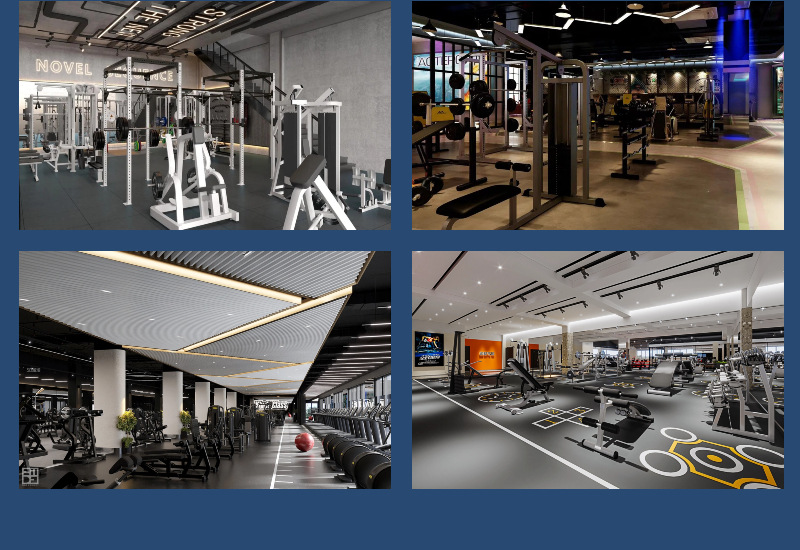
At YZYSport, we work with gym owners and project planners who want functional training areas that are actually used—not just added to a floor plan.
A functional training zone should be designed around movement, coaching flow, and durability, not around how much equipment can be placed into the space.
Start With Real Usage Scenarios
Before planning the layout, it is essential to define how the space will be used day to day.
In most commercial gyms, functional areas serve personal training, small group sessions, or conditioning programs. Trying to support every training style usually leads to congestion and inefficiency.
We often see better results when gyms clearly prioritize one primary function and design around it.
Space Matters More Than Equipment Quantity
Open space is one of the most underestimated assets in functional training design.
Members need room to move freely, and trainers need clear visibility across the area.
From our project experience, 40–60 square meters of well-planned open space often performs better than a larger but overcrowded area.
Choose Modular, Not Fixed Solutions
Modular rigs and reconfigurable equipment allow gyms to adapt as training programs evolve.
Instead of committing to fixed layouts, flexibility ensures long-term value and easier future upgrades.